The Tech Edit: 10 Gadgets That Women Love
Tech reviews are written by men who care about processor speeds. Tech gift guides are written by men who think we want a pink version of what they already own.
Meanwhile: we're the ones waking up at 5am because of light and hormones. We're the ones whose IBS has never been properly investigated because "it's probably stress." We're the ones carrying the mental load with no system to offload it to. We're the ones who need our tech to work quietly, look good, and solve the problems the industry pretends don't exist.
This is the edit for us. Ten gadgets that passed two tests: does it solve a problem I actually have, and has the tech industry historically ignored or underfunded that problem? You'd be surprised how many tick both boxes.
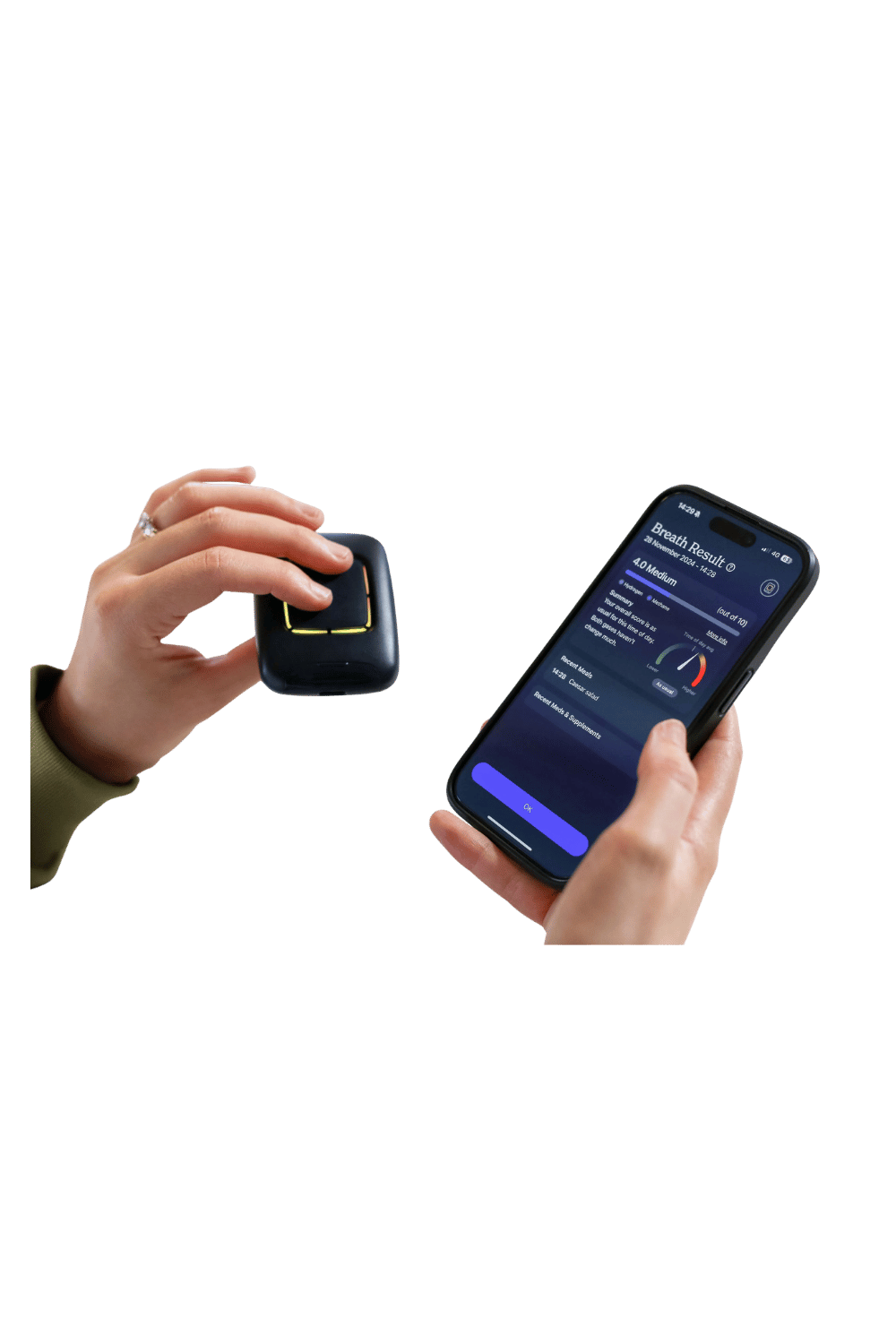
1. The FoodMarble AIRE 2 — because "it's probably just stress" isn't a diagnosis. IBS affects twice as many women as men. Bloating, cramping, and food intolerances are dismissed by GPs for years before anyone runs a proper test. The FoodMarble AIRE 2 is a pocket-sized breath tester that measures hydrogen and methane levels after you eat — the same technology used in clinical settings, now at home, on your terms. Breathe into it after a meal and it tells you in real time whether that food is causing excess fermentation in your gut. Over a few weeks you build a picture of your personal triggers that would take years of elimination diets and GP referrals to piece together. It's not a diagnostic tool and it doesn't replace medical advice — but it gives you data to take to your doctor instead of walking in with "I just feel bloated all the time." Around £150-180 on FoodMarble.com
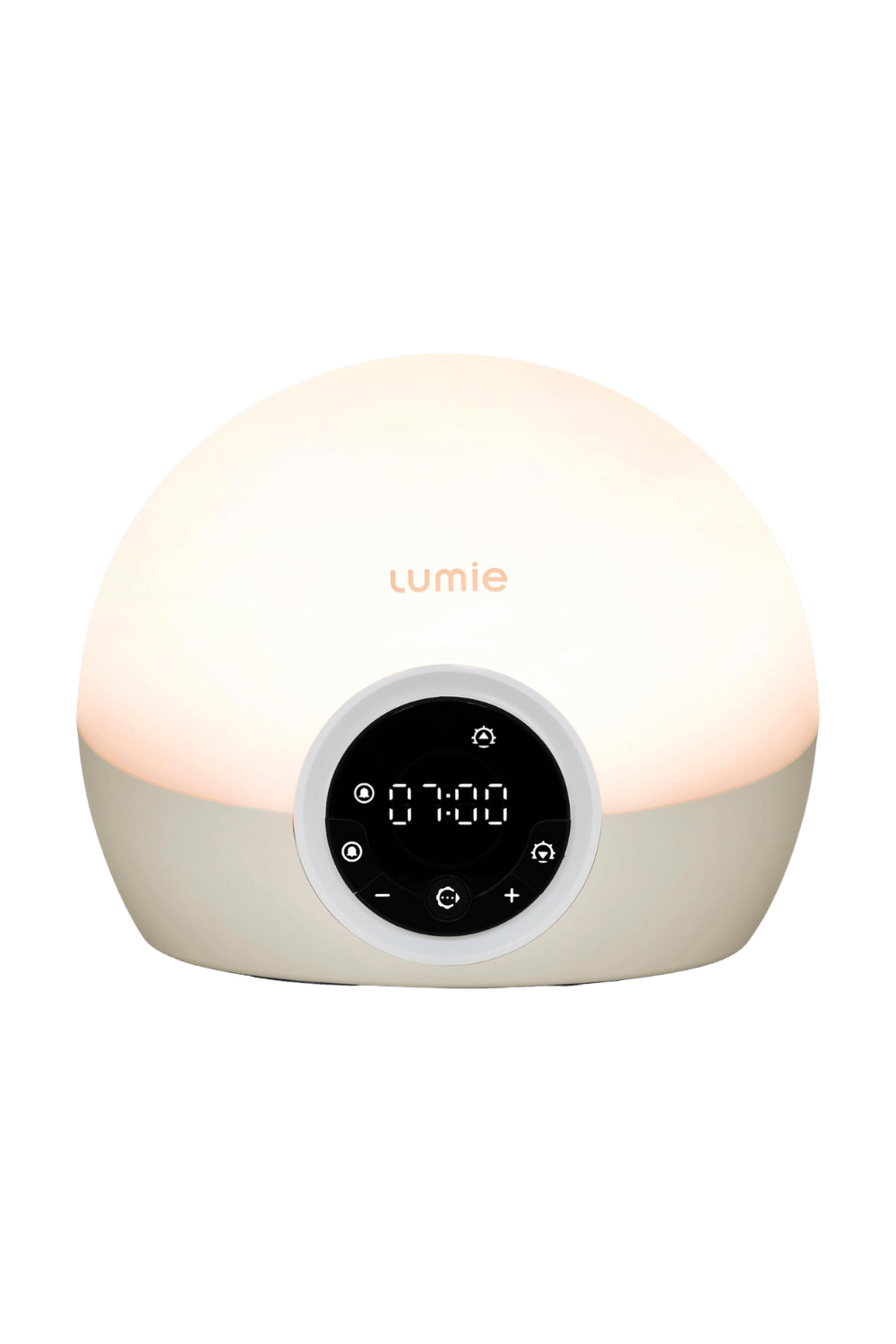
2. A Lumie sunrise alarm — because women's sleep is systematically worse and nobody talks about it. Women are 40% more likely to experience insomnia than men. Hormonal fluctuations, perimenopause, pregnancy, and the mental load of being the household's default alarm system all disrupt sleep in ways that a "sleep hygiene" article won't fix. A sunrise alarm gradually fills the room with warm light over 30 minutes, mimicking a natural dawn. You wake up at the right point in your sleep cycle instead of being jolted by a phone alarm in pitch darkness. The Lumie Bodyclock is the original — designed in the UK, backed by sleep research, and it looks like a beautiful bedside lamp, not medical equipment. Around £70-100 on Amazon.
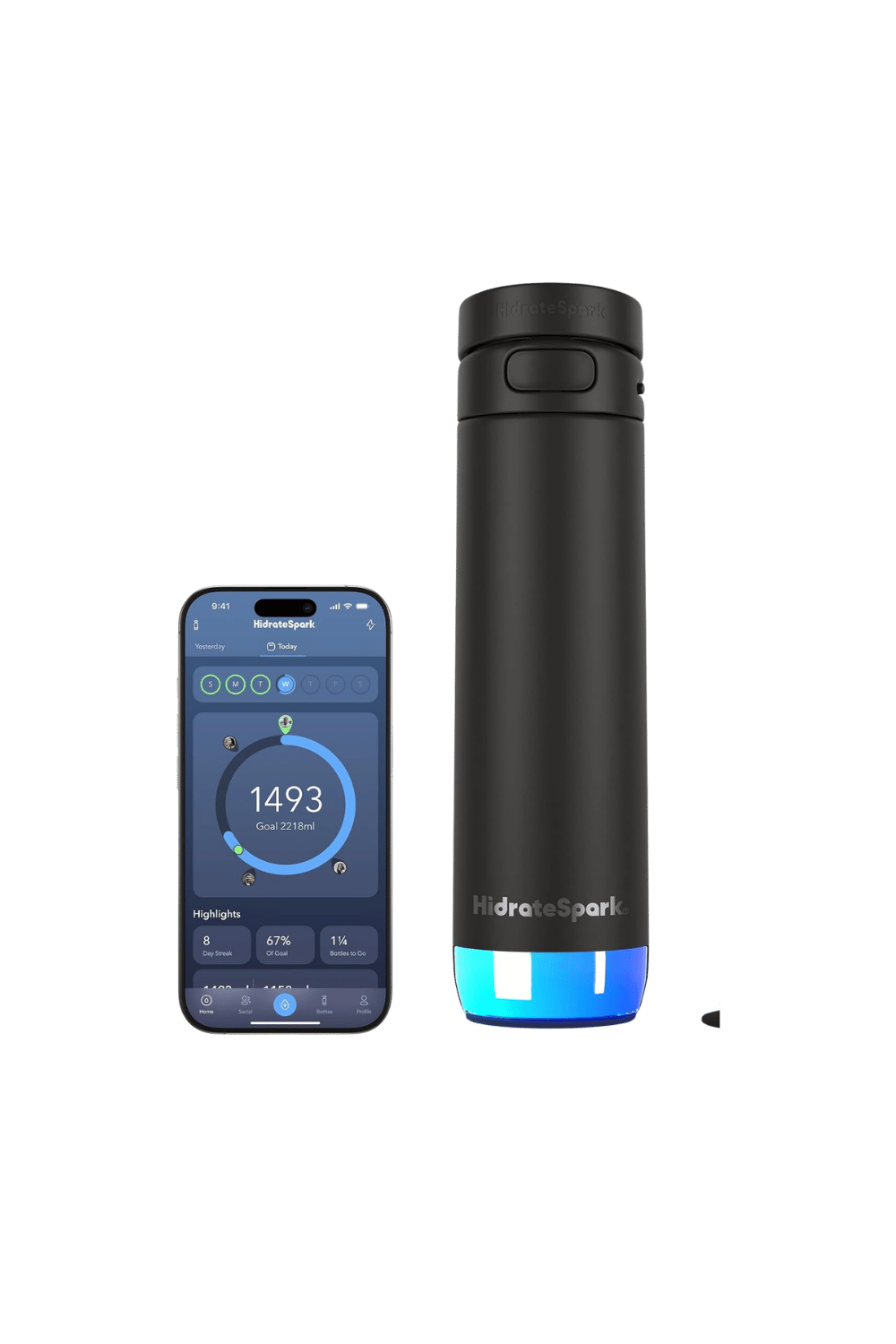
3. A Hidrate Spark smart water bottle — because dehydration disproportionately affects women and we consistently underdrink. Women need roughly 2 litres of water daily but most of us hit about half that. Dehydration worsens headaches, fatigue, UTIs, skin quality, and concentration — all things women are told to "manage" without anyone addressing the root cause. The Hidrate Spark glows gently when you need to drink, tracks your intake, and syncs to your phone. The stainless steel version looks like a normal premium water bottle. Nobody needs to know it's quietly keeping you functional. Around £69 on Amazon.
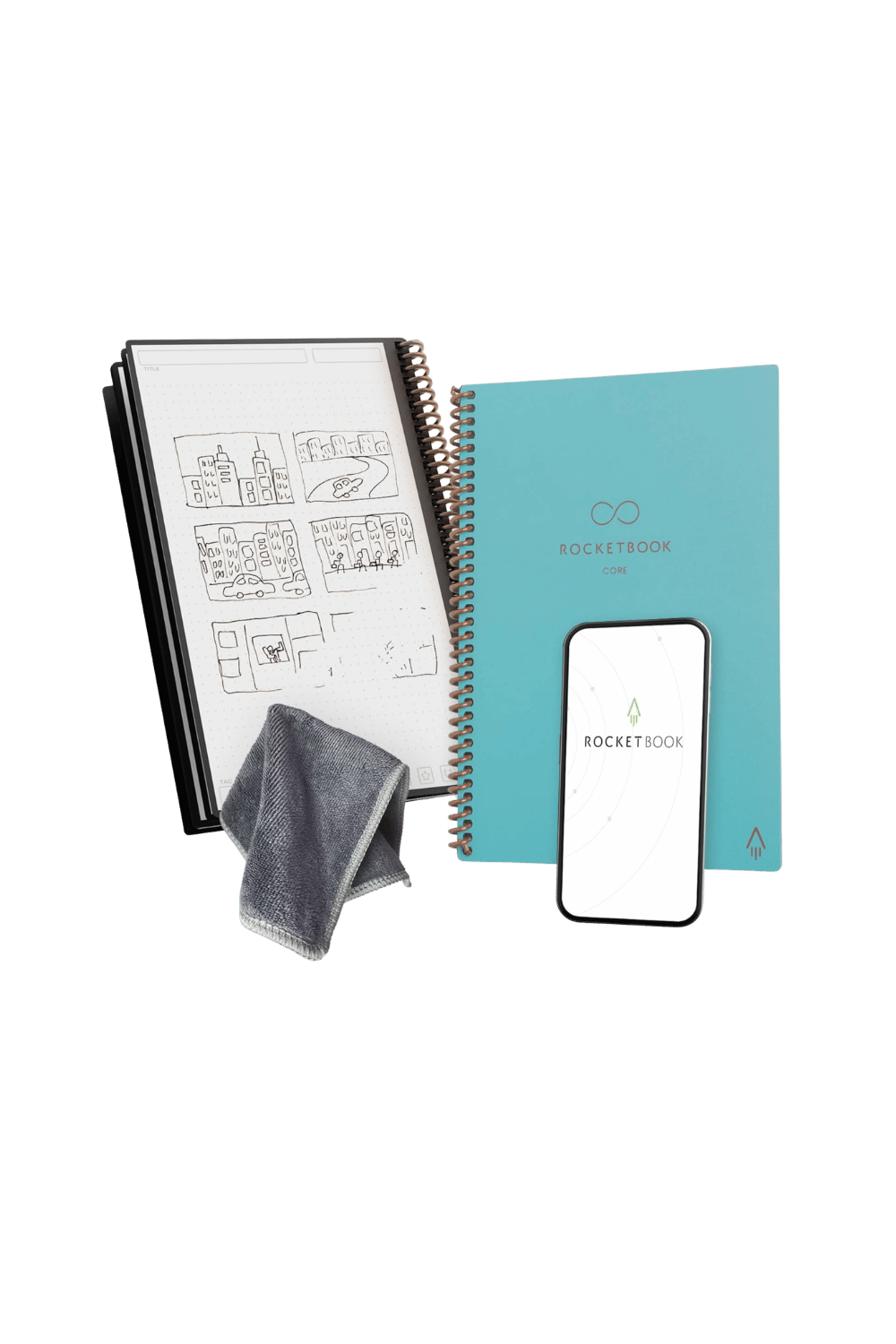
4. A Rocketbook reusable notebook — because the mental load needs a system, not another app. Lists. Meal plans. Nursery notes. Meeting actions. The mental load lives on scraps of paper, the back of envelopes, and fourteen different notes apps none of which talk to each other. The Rocketbook is a physical notebook that feels like writing on paper — but every page wipes clean with a damp cloth and your notes are automatically scanned to the cloud when you photograph them. One notebook forever. Your meeting notes, your shopping list, and your late-night "things I must not forget" brain dump all end up searchable in Google Drive or Dropbox without you doing anything except snapping a photo. Around £25-30 on Amazon.
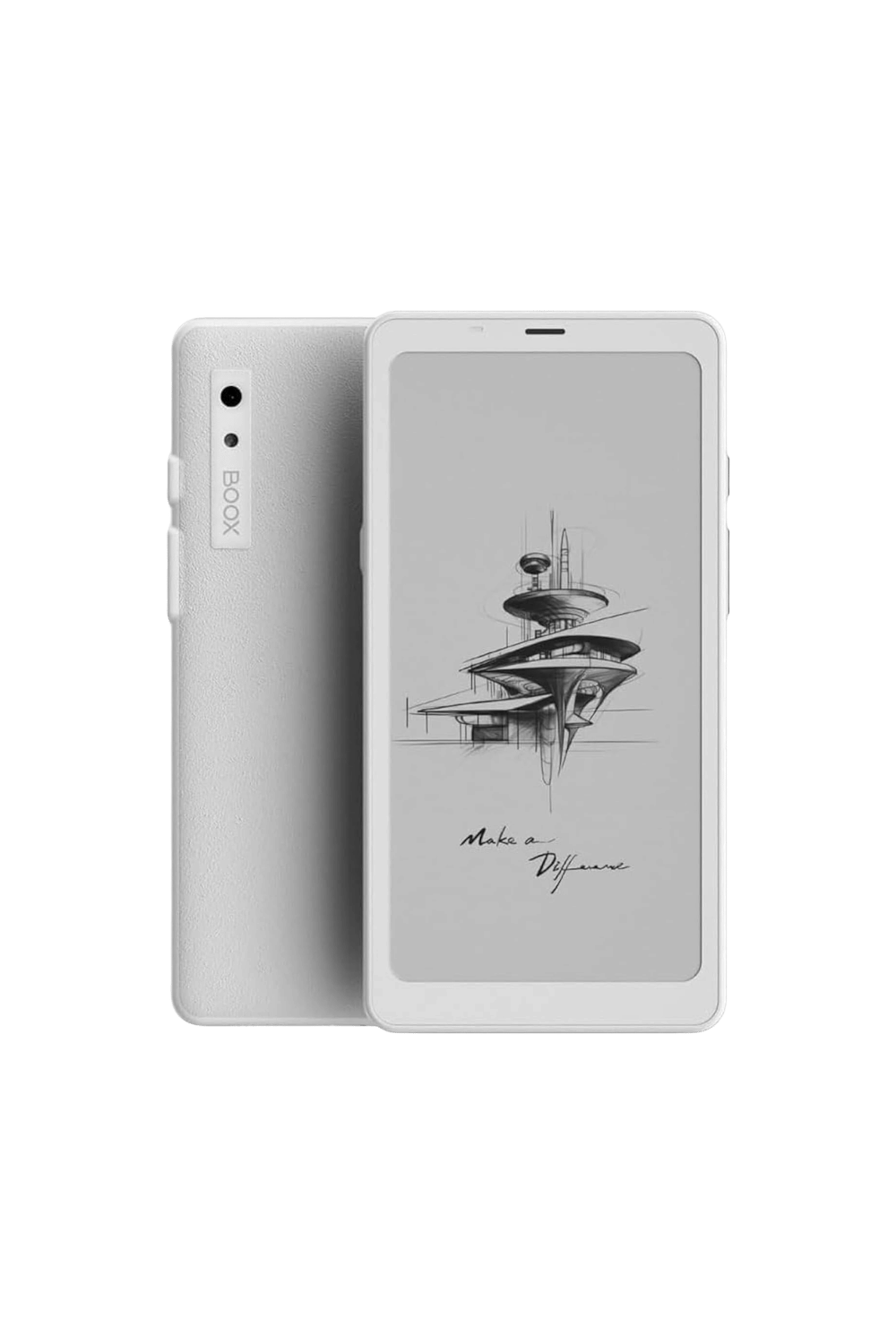
5. A Boox Palma 2 — because scrolling your phone in bed is destroying your sleep and you know it. You know you shouldn't be on your phone at midnight. You know it's the blue light and the dopamine loop and the "just one more scroll." But your Kindle is in the other room and your phone is right there. The Boox Palma 2 is the size of a phone, fits in your pocket or on your bedside table, and has an e-ink screen — meaning no blue light, no notifications, no Instagram pulling you sideways. It runs Android so it has Kindle, Kobo, Pocket, your library app, and even a podcast app. It's the phone replacement for bedtime that actually works because it's just as convenient. Around £280 on Amazon.
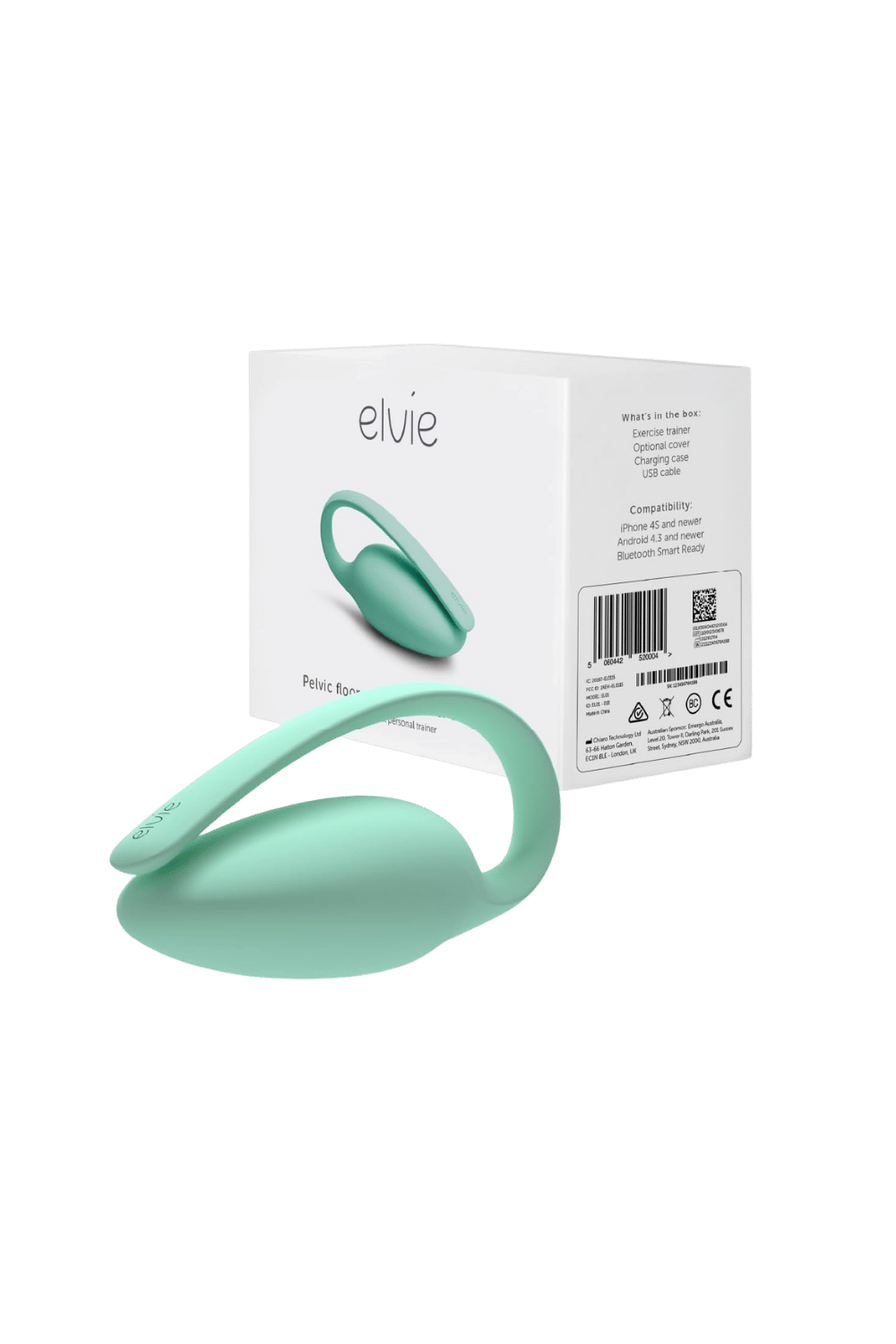
6. The Elvie pelvic floor trainer — because one in three women experience pelvic floor dysfunction and the medical establishment's answer is still "do your Kegels." Also from Tania Boler's Elvie. A small, sensor-equipped device that you use for five minutes a day. It connects to an app that guides you through exercises with real-time biofeedback — so you know you're actually engaging the right muscles rather than guessing. Pregnancy, childbirth, ageing, and high-impact exercise all weaken the pelvic floor, leading to incontinence, discomfort, and reduced sensation that women are expected to quietly accept. This is clinical-grade technology packaged as a consumer product, designed by a woman who saw an entire category of women's health being ignored by the device industry. Around £170-200 on Amazon.
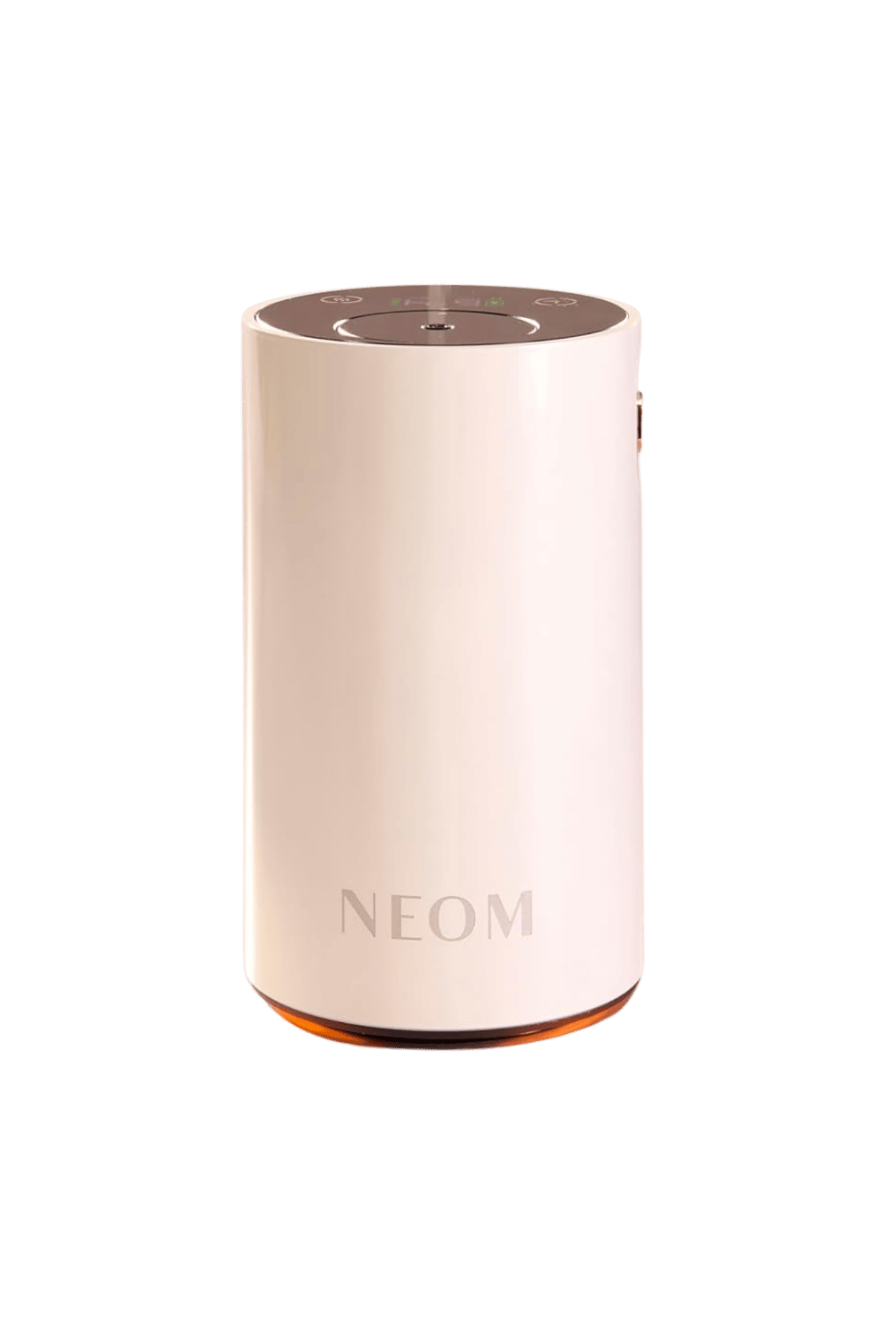
7. NEOM home diffuser — because your home environment affects your nervous system and it's not "indulgent" to care about it. The idea that scenting your home is a luxury rather than a wellbeing tool is a hangover from a culture that doesn't take women's stress seriously. Scent directly impacts cortisol levels, sleep quality, and mood. The NEOM Wellbeing Pod Mini+ releases essential oils into the air at the touch of a button. It looks like a small, elegant piece of tech, not a giant reed diffuser collecting dust. Around £55 for the device on Amazon.
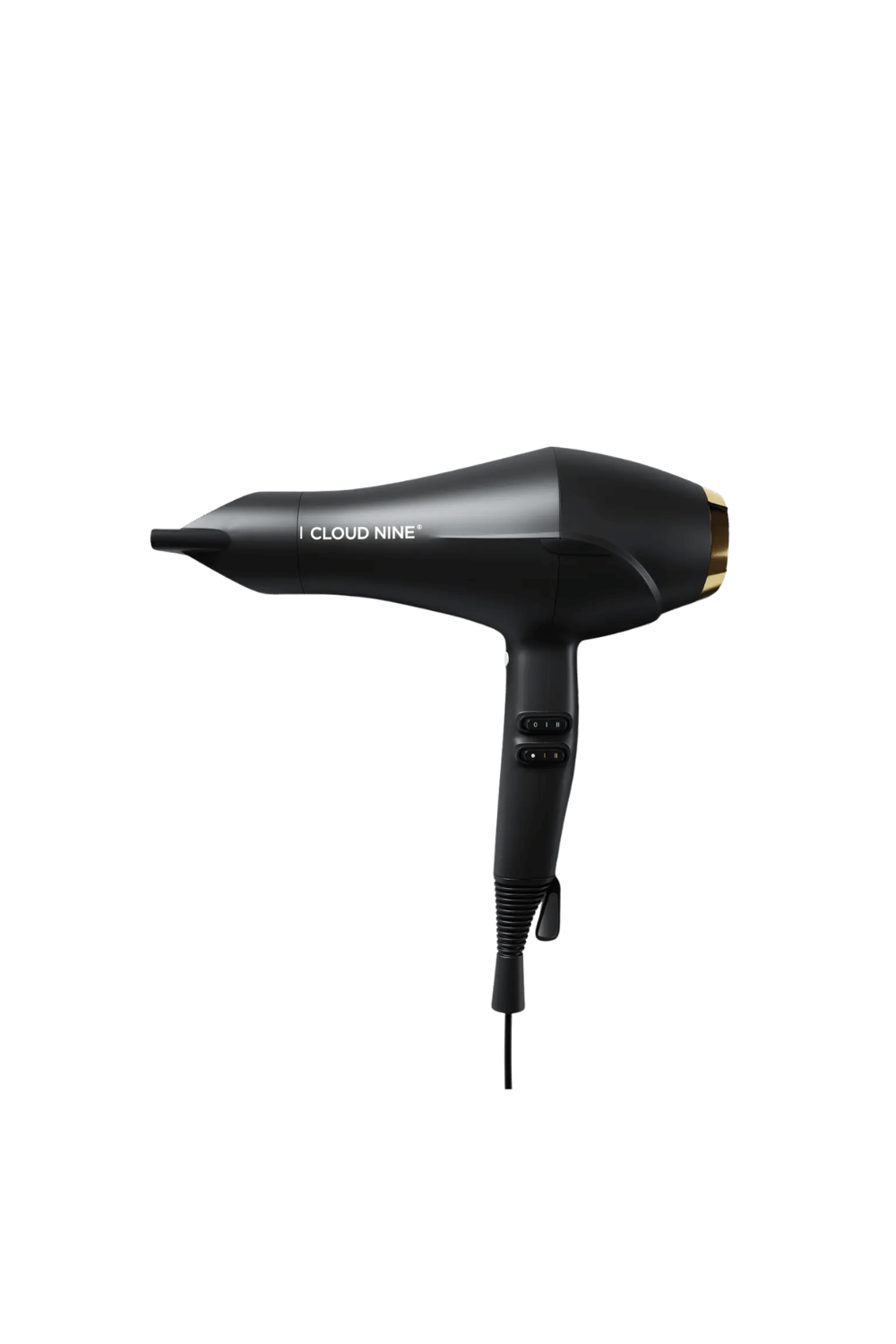
8. The Cloud Nine Airshot hair dryer — because a woman-founded British brand shouldn't be a footnote to Dyson. Cloud Nine was founded by Robert Mac, but its entire design philosophy was built around what women actually want from a styling tool — not what engineers think they should want. The Airshot uses mineral-infused temperature control that caps heat at the lowest effective temperature for your hair type, rather than blasting maximum heat and hoping for the best. It's lighter than a Dyson, quieter than most competitors, and costs roughly half the price. No billion-pound marketing budget. No celebrity campaign. Just a British brand that listened to hairdressers and the women sitting in their chairs. Around £159 from Amazon.
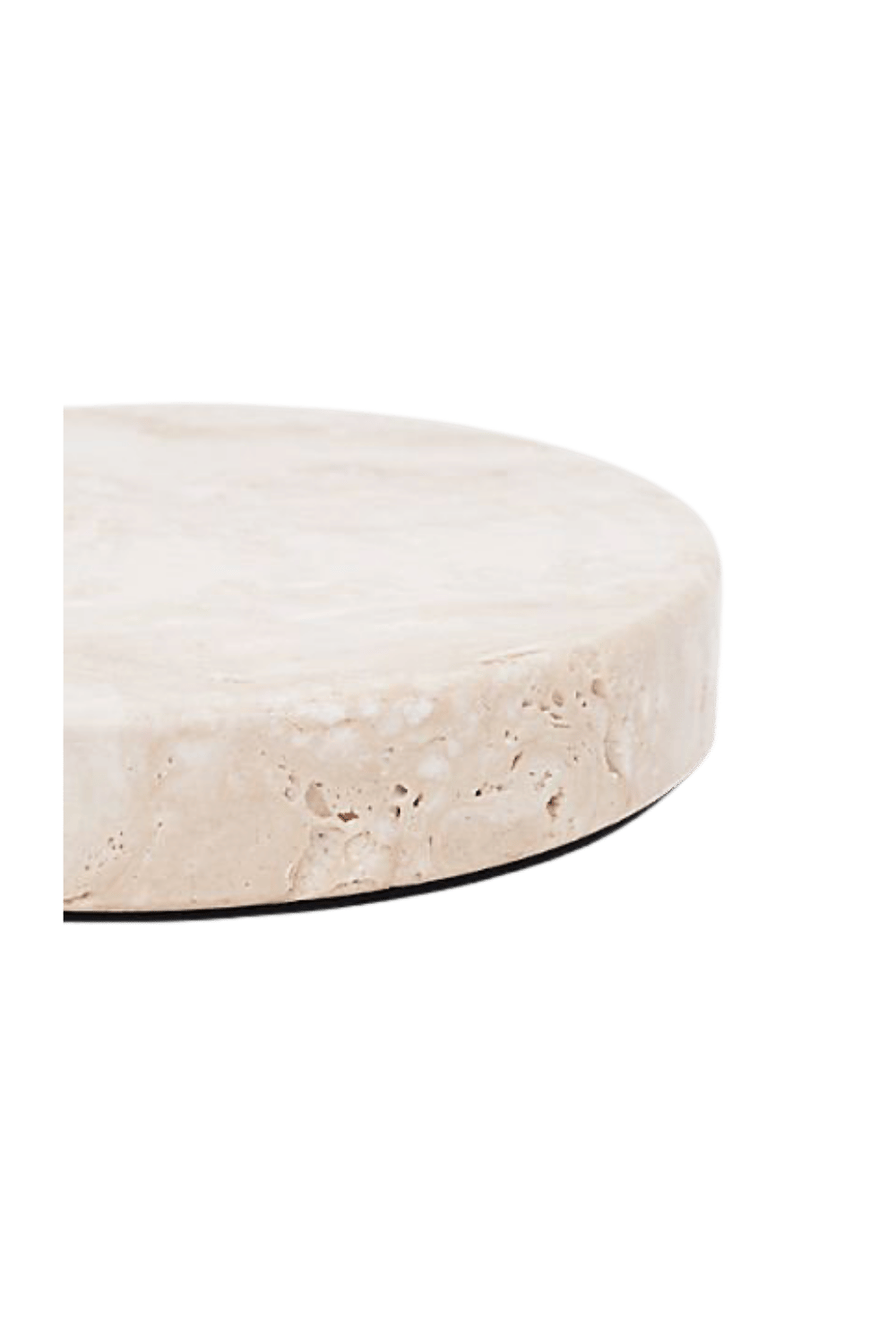
9. A wireless charger in wood or stone — because the tech on your surfaces shouldn't be the ugliest thing in the room. Most wireless chargers are black plastic discs designed by someone who has never thought about how an object looks on a bedside table. Women furnish and style 91% of homes. The fact that tech accessories are almost universally ugly is a design failure, not a personal preference. You'll find pads in wood, bamboo, and stone-effect finishes from about £12-40 that sit permanently on your nightstand and look like they belong there. This one at £34.99 is so subtle it doesn’t look like a charger at all.
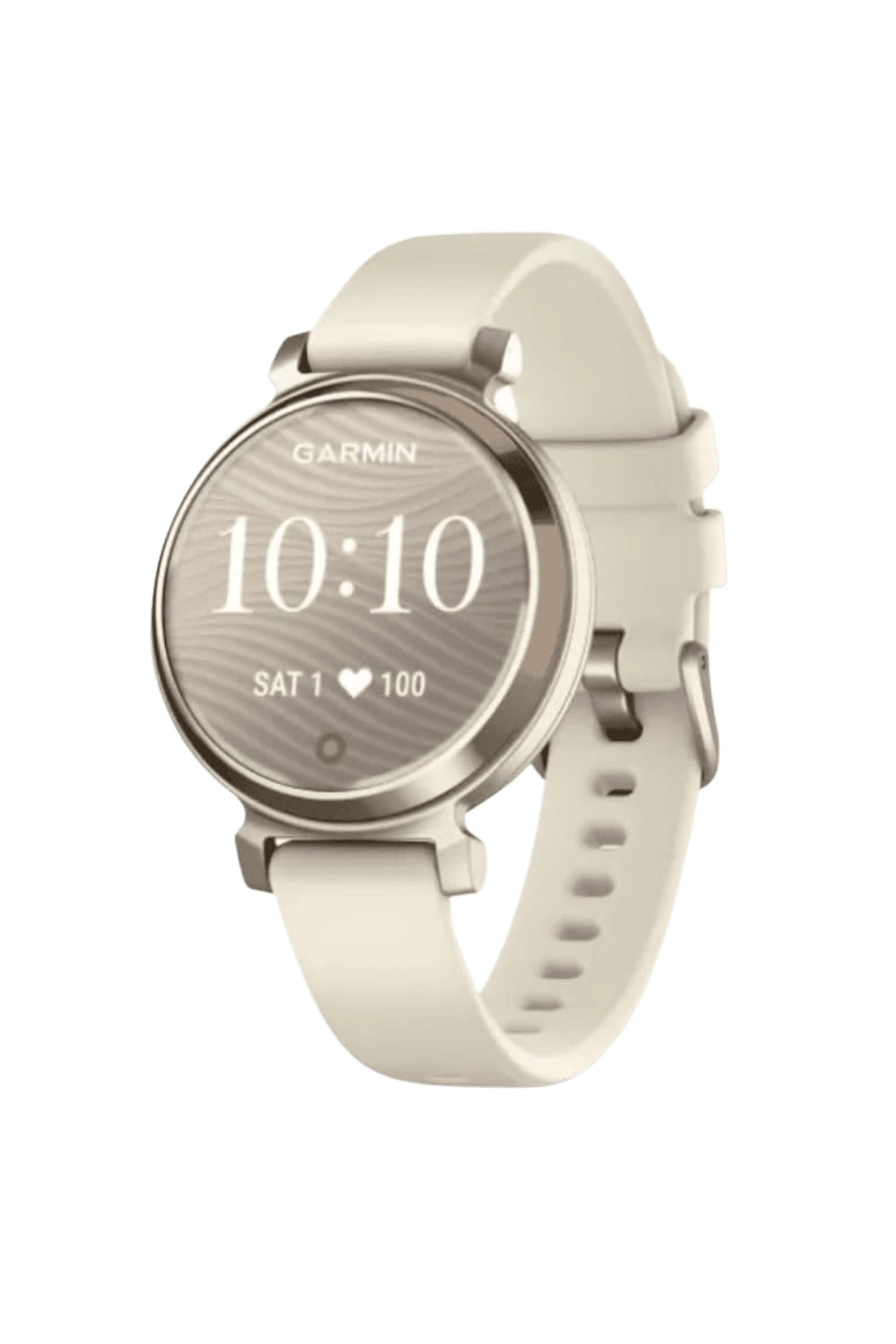
10. The Garmin Lily 2 — because the entire smartwatch industry designed for men's wrists and then wondered why women didn't buy them. The Lily 2 is the only mainstream smartwatch that was designed from the ground up to fit a woman's wrist, not shrunk down from a men's model as an afterthought. It's 34mm — smaller than every Apple Watch and every Samsung — with a hidden display that only appears when you tap it. The rest of the time it looks like a simple, elegant watch face. It tracks heart rate, stress, sleep, Body Battery energy levels, and has full menstrual cycle and pregnancy tracking built in. No pink tax. No "women's edition" of a men's product. Just a device that assumed its primary user would be a woman and designed accordingly. Around £189 on Amazon.
A note on why this list exists. The consumer tech industry spends billions on gaming monitors, crypto hardware, and incremental phone upgrades. Meanwhile, women's health tech is underfunded, wellness tech is dismissed as frivolous, and domestic tech is designed without considering who actually runs the home. Every gadget on this list exists because someone finally thought about the problems women face daily and built something to help. That's worth talking about — and buying.
This post contains affiliate links. If you click through and buy, I may earn a small commission at no extra cost to you. I only feature products I'd genuinely use myself.
